
# Injection Molding: Principles and Applications
## Introduction to Injection Molding
Injection molding is a manufacturing process widely used for producing plastic parts in large volumes. This technique involves injecting molten material into a mold, where it cools and solidifies into the desired shape. The process is highly efficient, repeatable, and capable of producing complex geometries with excellent dimensional accuracy.
## The Basic Principles of Injection Molding
The injection molding process consists of several key stages:
### 1. Clamping
The two halves of the mold are securely closed by the clamping unit before injection begins. Proper clamping force is essential to prevent material leakage during injection.
### 2. Injection
Plastic pellets are fed into a heated barrel, melted, and then injected into the mold cavity under high pressure. The injection phase must be carefully controlled to ensure proper filling of the mold.
### 3. Cooling
After injection, the molten plastic begins to cool and solidify within the mold. Cooling time depends on material properties and part thickness.
### 4. Ejection
Once sufficiently cooled, the mold opens and ejector pins push the finished part out of the mold. The mold then closes again for the next cycle.
## Key Components of an Injection Molding Machine
Modern injection molding machines consist of several critical components:
– Injection unit: Melts and injects the plastic material
– Clamping unit: Opens and closes the mold with sufficient force
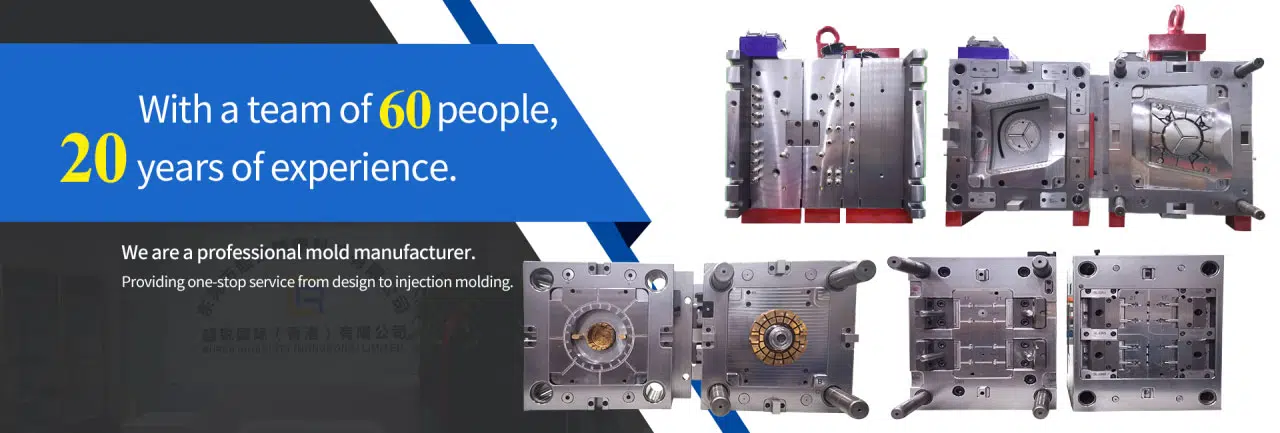
– Mold: The custom tool that shapes the plastic
– Control system: Manages all machine operations and parameters
## Common Materials Used in Injection Molding
A wide variety of thermoplastic materials can be used in injection molding, including:
– Polypropylene (PP)
– Acrylonitrile Butadiene Styrene (ABS)
– Polyethylene (PE)
– Polycarbonate (PC)
– Nylon (Polyamide)
Each material offers different properties in terms of strength, flexibility, heat resistance, and chemical resistance.
## Advantages of Injection Molding
Injection molding offers numerous benefits for mass production:
– High production rates
– Repeatable high tolerances
– Low labor costs
– Minimal scrap loss
– Ability to use multiple materials simultaneously
– Complex part geometries possible
– Excellent surface finish
## Applications of Injection Molding
Injection molded parts are found in nearly every industry:
Keyword: Injection Molding
### Consumer Products
Toys, kitchenware, electronic housings, and cosmetic containers are commonly injection molded.
### Automotive Components
From dashboards to bumpers, injection molding produces many automotive parts.
### Medical Devices
Sterile, precise medical components like syringes and surgical instruments are often injection molded.
### Industrial Components
Gears, housings, and other mechanical parts benefit from injection molding’s precision.
## Challenges in Injection Molding
While highly effective, injection molding does present some challenges:
– High initial tooling costs
– Long lead times for mold production
– Design limitations for certain geometries
– Potential for defects if not properly controlled
## Future Trends in Injection Molding
The injection molding industry continues to evolve with new technologies:
– Increased automation and Industry 4.0 integration
– Development of more sustainable materials
– Advances in mold design and manufacturing
– Improved energy efficiency in machines
– Growth of micro-injection molding for small precision parts
## Conclusion
Injection molding remains one of the most versatile and efficient manufacturing processes for plastic parts. Its ability to produce high volumes of complex parts with excellent consistency makes it indispensable across numerous industries. As materials and technologies continue to advance, injection molding will likely maintain its position as a cornerstone of modern manufacturing.