
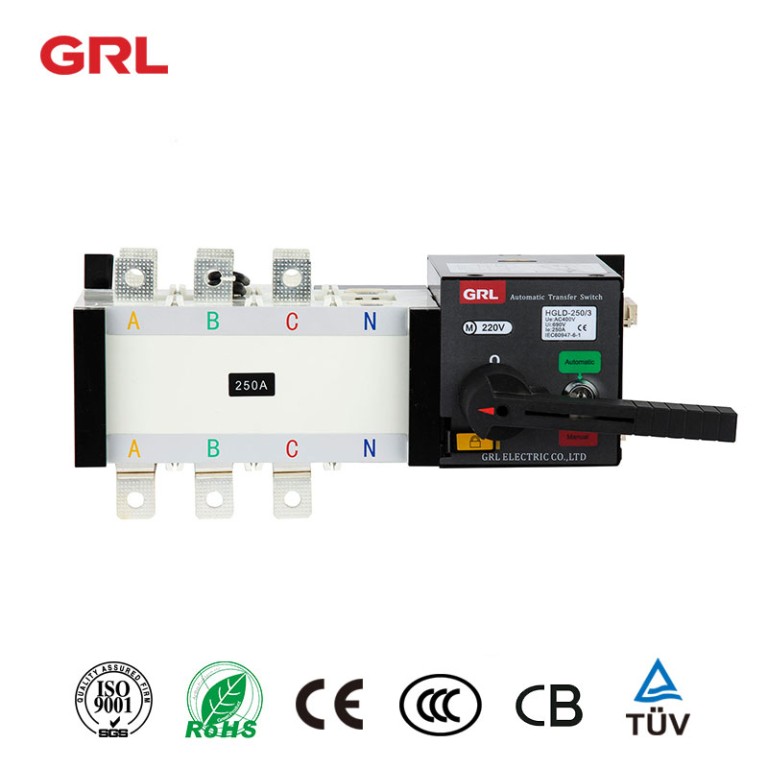
# Automatic Transfer Switch: Ensuring Uninterrupted Power Supply
## What is an Automatic Transfer Switch?
An Automatic Transfer Switch (ATS) is a critical component in power management systems that ensures seamless transition between primary and backup power sources. These devices automatically detect power failures and switch the electrical load to an alternative power source, such as a generator or uninterruptible power supply (UPS), without manual intervention.
## How Does an Automatic Transfer Switch Work?
The operation of an ATS can be broken down into three main stages:
– Monitoring: The ATS continuously monitors the voltage and frequency of the primary power source
– Detection: When it detects a power outage or significant voltage fluctuation, it initiates the transfer process
– Switching: The ATS disconnects from the primary source and connects to the backup power within seconds
## Types of Automatic Transfer Switches
There are several types of ATS units available, each designed for specific applications:
### 1. Open Transition ATS
Also known as “break-before-make” switches, these briefly interrupt power during the transfer process. They’re the most common and cost-effective option for non-critical applications.
### 2. Closed Transition ATS
These “make-before-break” switches momentarily parallel both power sources during transfer, ensuring zero interruption. Ideal for sensitive equipment.
### 3. Soft Load Transfer ATS
These sophisticated switches gradually transfer the load to prevent power surges, perfect for large industrial applications.
## Key Benefits of Using an ATS
Implementing an automatic transfer switch offers numerous advantages:
– Uninterrupted power supply for critical operations
– Protection against power fluctuations and outages
– Reduced downtime and increased productivity
– Automatic operation eliminates human error
– Extended equipment lifespan by preventing abrupt power cuts
## Applications of Automatic Transfer Switches
ATS units are essential in various sectors:
– Healthcare facilities (hospitals, clinics)
– Data centers and telecommunications
– Industrial manufacturing plants
– Commercial buildings and offices
– Emergency services and government facilities
– Residential applications with backup generators
## Choosing the Right ATS for Your Needs
When selecting an automatic transfer switch, consider these factors:
– Power requirements (voltage, amperage)
– Transfer time specifications
– Number of poles needed
– Environmental conditions
– Compliance with local electrical codes
– Future expansion possibilities
## Maintenance and Safety Considerations
To ensure optimal performance:
– Schedule regular inspections by qualified technicians
– Test the transfer switch periodically
– Keep the unit clean and free from debris
– Monitor for unusual noises or performance issues
– Follow manufacturer’s maintenance guidelines
## The Future of Automatic Transfer Switches
As technology advances, ATS units are becoming more sophisticated with features like:
– Remote monitoring capabilities
– Integration with smart grid systems
– Advanced diagnostics and predictive maintenance
– Improved energy efficiency
– Smaller, more compact designs
Keyword: Automatic Transfer Switch
Automatic Transfer Switches play a vital role in maintaining continuous power supply across various industries. By understanding their operation, benefits, and proper selection criteria, businesses and homeowners can ensure they’re prepared for any power interruption scenario. Investing in the right ATS solution provides peace of mind and protects valuable equipment from the damaging effects of power outages.