
html
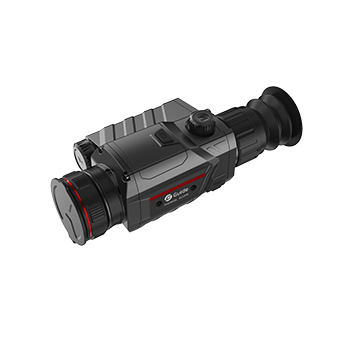
Thermal Imaging Scope: Advanced Night Vision Technology for Precision Targeting
In the world of modern optics, the thermal scope has revolutionized night vision technology, offering unparalleled precision in low-light or complete darkness. Unlike traditional night vision devices that rely on ambient light, thermal scopes detect heat signatures, making them indispensable for hunting, military operations, and surveillance.
How Does a Thermal Scope Work?
A thermal imaging scope operates by capturing infrared radiation emitted by objects. Every object with a temperature above absolute zero emits heat, and thermal scopes convert this heat into a visible image. This technology allows users to detect living beings, vehicles, or other heat-emitting objects even in challenging conditions like fog, smoke, or dense foliage.
Key Advantages of Thermal Scopes
- Superior Detection: Unlike traditional night vision, thermal scopes don’t require any light source, making them effective in total darkness.
- Penetration Capability: They can see through obscurants like smoke, dust, and light fog.
- Long-Range Performance: High-end models can detect heat signatures at distances exceeding 1,000 yards.
- Versatility: Useful for hunting, law enforcement, search and rescue, and home security.
Choosing the Right Thermal Scope
When selecting a thermal scope, consider these factors:
- Resolution: Higher resolution provides clearer images and better target identification.
- Detection Range: Match the scope’s capabilities with your intended use.
- Refresh Rate: A higher refresh rate (60Hz or above) ensures smoother tracking of moving targets.
- Battery Life: Important for extended operations in the field.
- Durability: Look for waterproof and shockproof models for rugged use.
Applications of Thermal Imaging Technology
The thermal scope has found applications across various fields:
- Military and Law Enforcement: For night operations, surveillance, and target acquisition.
- Hunting: Particularly effective for nocturnal hunting of feral hogs and predators.
- Wildlife Observation: Researchers use thermal scopes to study nocturnal animals without disturbing them.
- Industrial Inspection: Detecting heat leaks in buildings or electrical faults in equipment.
The Future of Thermal Scopes
As technology advances, thermal imaging scopes are becoming more compact, affordable, and feature-rich. Future developments may include:
- Integration with augmented reality systems
- Improved battery technology for longer operation times
- Higher resolution sensors at lower price points
- Wireless connectivity for real-time data sharing
Whether for professional use or recreational activities, the thermal scope represents a significant leap forward in night vision technology, offering capabilities that were once limited to military applications now available to civilian users.
Keyword: thermal scope