
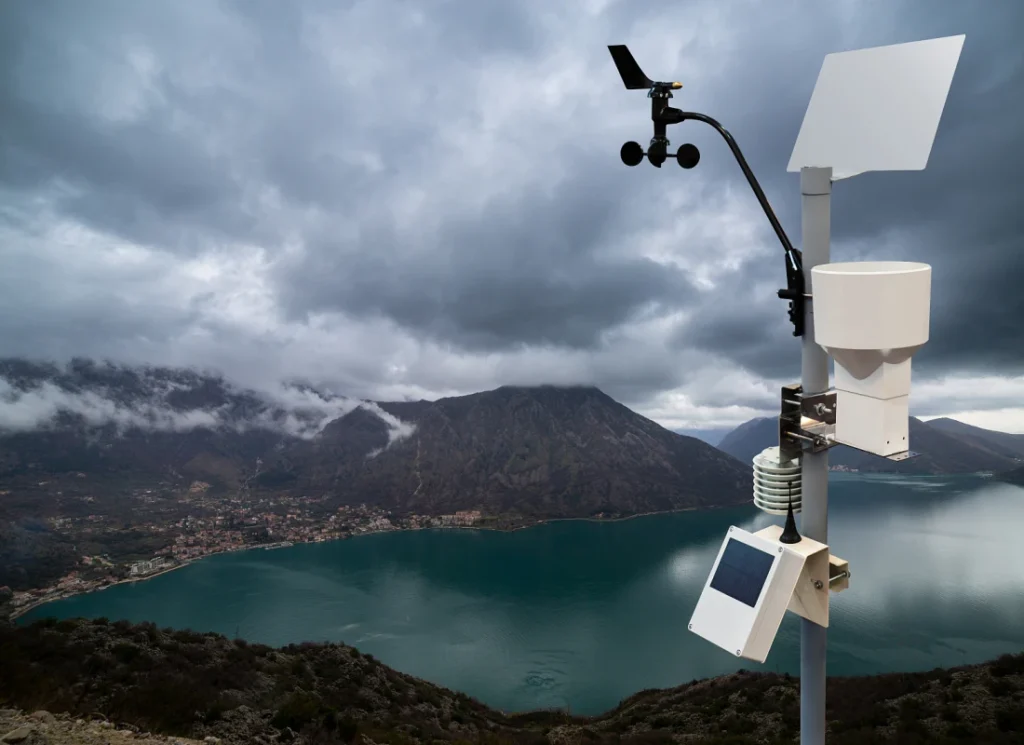
# Rainfall Sensor: A Key Tool for Weather Monitoring and Water Management
## Introduction to Rainfall Sensors
Rainfall sensors are essential instruments in modern meteorology and hydrology, providing accurate measurements of precipitation. These devices play a crucial role in weather forecasting, flood warning systems, and water resource management. By collecting real-time data on rainfall intensity and accumulation, rainfall sensors help scientists, farmers, and urban planners make informed decisions.
## How Rainfall Sensors Work
Rainfall sensors operate using various technologies to measure precipitation:
### Tipping Bucket Rain Gauges
The most common type of rainfall sensor uses a tipping bucket mechanism. When a certain amount of rainwater fills one side of the bucket, it tips, sending an electrical signal and allowing the other side to collect water. Each tip represents a specific volume of rainfall.
### Optical Rain Sensors
These advanced sensors use infrared light to detect raindrops passing through their measurement area. They can determine both rainfall intensity and drop size distribution.
### Weighing Rain Gauges
These sensors measure the weight of collected precipitation, providing highly accurate measurements that can distinguish between rain, snow, and hail.
## Applications of Rainfall Data
The information gathered by rainfall sensors has numerous practical applications:
– Weather forecasting and climate research
– Flood prediction and early warning systems
– Agricultural irrigation management
– Urban drainage system design
– Water resource allocation
– Hydrological modeling
## Benefits of Automated Rainfall Monitoring
Modern rainfall sensors offer significant advantages over traditional manual measurements:
1. Real-time data collection: Automated sensors provide immediate rainfall information, crucial for time-sensitive applications like flood warnings.
2. Remote monitoring: Many sensors can transmit data wirelessly, allowing monitoring of inaccessible areas.
3. Higher accuracy: Automated measurements reduce human error and provide consistent data quality.
4. Long-term data records: Continuous operation creates valuable historical datasets for climate studies.
## Choosing the Right Rainfall Sensor
When selecting a rainfall sensor, consider these factors:
Measurement Range
Ensure the sensor can handle the expected rainfall intensities in your area, from light drizzles to heavy downpours.
Accuracy Requirements
Different applications require different levels of precision. Research-grade sensors typically offer higher accuracy than basic monitoring units.
Maintenance Needs
Some sensors require regular cleaning and calibration, while others are designed for low-maintenance operation.
Data Integration
Consider how the sensor will connect to your data collection system, whether through wired connections, wireless networks, or cellular transmission.
## Future Developments in Rainfall Sensing Technology
The field of precipitation measurement continues to evolve with new technologies:
Radar-enhanced sensors: Combining ground measurements with radar data for more comprehensive rainfall mapping.
AI-powered analysis: Using machine learning to improve rainfall prediction and anomaly detection.
Miniaturized sensors: Developing smaller, more affordable units for widespread deployment in citizen science projects.
Multi-parameter sensors: Integrating rainfall measurement with other environmental monitoring capabilities.
## Conclusion
Rainfall sensors are indispensable tools for understanding and managing our water resources. As climate patterns become more variable, the importance of accurate, reliable rainfall data grows. Whether for agricultural planning, urban flood control, or scientific research, these devices provide the foundation for informed decision-making about one of our most precious natural resources – water.
Keyword: rainfall sensor