
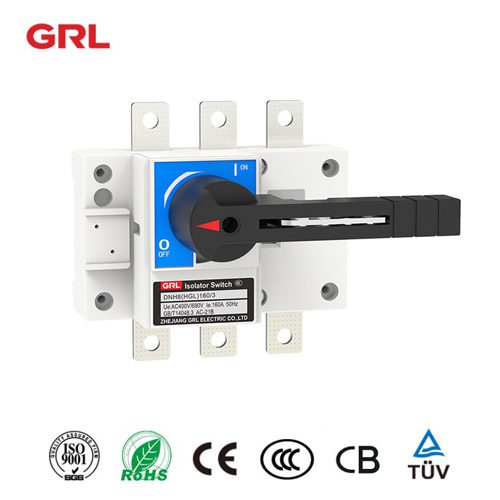
# Load Break Switch: Essential Components for Electrical Safety
## Introduction to Load Break Switches
Load break switches (LBS) are critical components in electrical distribution systems, designed to safely interrupt and isolate electrical circuits under load conditions. These devices play a vital role in maintaining system reliability and protecting both equipment and personnel from electrical hazards.
## How Load Break Switches Work
Unlike circuit breakers that interrupt fault currents, load break switches are specifically engineered to handle normal load currents. They operate by physically separating contacts to create an air gap, effectively breaking the electrical connection. Modern designs often incorporate arc-quenching technologies to safely extinguish the arc that forms during switching operations.
## Key Features of Quality Load Break Switches
– Robust construction for long service life
– Visible isolation points for safety verification
– Quick-make, quick-break mechanisms
– Arc control systems
– Weather-resistant enclosures for outdoor applications
## Applications in Electrical Systems
Load break switches find widespread use in various electrical applications:
### Distribution Networks
They serve as isolation points in medium-voltage distribution systems, allowing safe maintenance of downstream equipment.
### Transformer Protection
LBS units are commonly installed as primary protection for transformers, enabling safe disconnection during servicing.
### Renewable Energy Systems
In solar and wind power installations, load break switches provide crucial isolation capabilities for system maintenance.
## Safety Considerations
Proper selection and installation of load break switches are essential for electrical safety:
– Always verify voltage ratings match system requirements
– Ensure proper clearances are maintained
– Follow manufacturer’s maintenance schedules
– Use only qualified personnel for installation and operation
## Maintenance Best Practices
Regular maintenance ensures optimal performance of load break switches:
– Periodic visual inspections for signs of wear or damage
– Lubrication of moving parts as recommended
– Contact resistance measurements
– Operational testing to verify proper switching function
## Future Developments
The load break switch market continues to evolve with:
– Smart switching capabilities with remote monitoring
– Improved materials for longer service life
– Compact designs for space-constrained installations
– Enhanced safety features for operator protection
Keyword: Load Break Switch
## Conclusion
Load break switches remain indispensable components in electrical systems, providing reliable circuit isolation and contributing significantly to overall system safety. Understanding their proper selection, application, and maintenance is crucial for electrical professionals working with power distribution systems.