
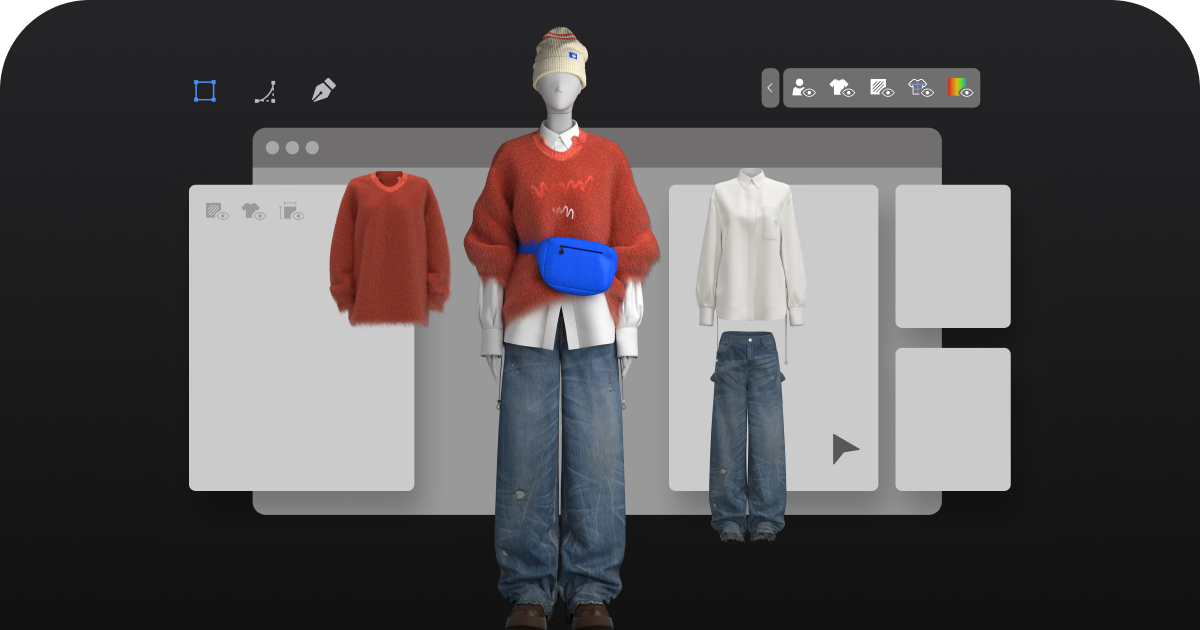
# Fashion Design Software: Tools for Modern Creatives
## The Evolution of Fashion Design Software
Fashion design has come a long way from pencil sketches and paper patterns. Today’s designers rely on sophisticated fashion design software to bring their visions to life. These digital tools have revolutionized the industry, making the design process faster, more precise, and infinitely more creative.
Modern fashion design software offers capabilities that were unimaginable just a decade ago. From 3D garment simulation to virtual fabric draping, these programs empower designers to experiment without the constraints of physical materials.
## Essential Features of Fashion Design Software
When evaluating fashion design software, several key features stand out as particularly valuable for modern creatives:
– Pattern-making tools with precise measurement capabilities
– 3D visualization and draping simulations
– Color palette generators and fabric texture libraries
– Technical drawing tools for professional specification sheets
– Collaboration features for team projects
– Integration with manufacturing and production systems
## Top Fashion Design Software Options
Several software solutions have emerged as industry standards for fashion professionals:
### 1. Adobe Illustrator
While not exclusively for fashion, Illustrator remains a favorite for its vector-based drawing tools perfect for creating clean, scalable fashion illustrations and technical flats.
### 2. CLO 3D
This innovative software specializes in 3D garment simulation, allowing designers to see how fabrics will drape and move before creating physical samples.
### 3. Browzwear
A comprehensive solution offering 3D design, pattern making, and virtual prototyping capabilities favored by many major fashion brands.
### 4. Optitex
Known for its advanced pattern-making tools and seamless integration with cutting machines and other production equipment.
## Benefits of Using Digital Design Tools
Transitioning to fashion design software offers numerous advantages:
– Reduced material waste through virtual prototyping
– Faster iteration and design refinement
– Improved accuracy in pattern making
– Easier collaboration with remote teams
– Better visualization for clients and stakeholders
– Streamlined production processes
## Choosing the Right Software for Your Needs
Selecting fashion design software depends on several factors:
– Your specific design focus (apparel, accessories, footwear)
– Budget constraints
– Technical skill level
– Need for 3D capabilities
– Integration requirements with other systems
– Preferred workflow (sketch-first vs. pattern-first)
Keyword: fashion design software
Many software providers offer free trials, which can be invaluable for testing how well a program fits your creative process before committing to a purchase.
## The Future of Fashion Design Technology
As technology advances, we can expect fashion design software to incorporate more AI-assisted features, enhanced virtual reality tools, and even more realistic fabric simulations. These developments will continue to push the boundaries of what’s possible in fashion design, making the creative process more accessible and efficient than ever before.
For modern fashion creatives, mastering these digital tools is no longer optional—it’s essential for staying competitive in an increasingly tech-driven industry.