
# LAL and Gel Clot Assays for Endotoxin Detection
## Introduction to Endotoxin Detection
Endotoxins, also known as lipopolysaccharides (LPS), are toxic components found in the outer membrane of Gram-negative bacteria. Their presence in pharmaceuticals, medical devices, and other healthcare products can cause severe pyrogenic reactions in humans. Therefore, reliable detection methods are crucial for ensuring product safety.
## The Limulus Amebocyte Lysate (LAL) Test
The Limulus Amebocyte Lysate (LAL) test has become the gold standard for endotoxin detection since its discovery in the 1960s. This sensitive biological assay utilizes blood cells (amebocytes) from the horseshoe crab (Limulus polyphemus) to detect and quantify endotoxins.
### How LAL Assays Work
When endotoxins come into contact with LAL reagent, they trigger a cascade of enzymatic reactions that result in clot formation. The intensity of this reaction is proportional to the amount of endotoxin present in the sample.
## Gel Clot Assays: A Traditional Approach
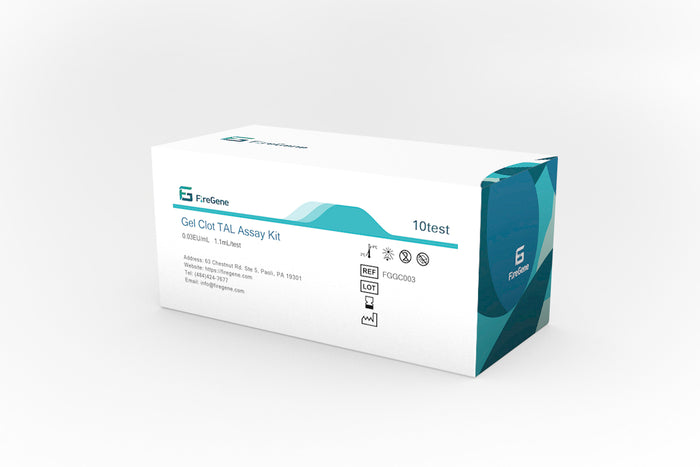
Among the various LAL test methods, the gel clot assay represents the simplest and most traditional format. This qualitative or semi-quantitative method provides a visual endpoint for endotoxin detection.
### Procedure of Gel Clot Assays
The gel clot assay involves mixing equal volumes of test sample with LAL reagent in sterile, endotoxin-free tubes. After incubation at 37°C for a specified time (typically 60 minutes), the tubes are inverted to check for clot formation:
- A firm gel that remains intact when inverted indicates a positive result (endotoxin present)
- No clot formation or a fragile gel that breaks upon inversion indicates a negative result
## Advantages of Gel Clot Assays
Gel clot assays offer several benefits for endotoxin detection:
Simplicity and Cost-Effectiveness
This method requires minimal equipment and is relatively inexpensive compared to other LAL test formats like chromogenic or turbidimetric assays.
Robustness
Gel clot assays are less affected by sample interference factors that might complicate other test methods.
Regulatory Acceptance
This method is widely recognized and accepted by regulatory agencies worldwide for endotoxin testing.
## Limitations of Gel Clot Assays
While useful, gel clot assays have some limitations:
- They provide only semi-quantitative results at best
- The sensitivity is limited compared to other LAL methods
- Results are subjective and dependent on visual interpretation
- The method is time-consuming for large sample batches
Keyword: LAL Assays Gel Clot Assays
## Applications in Pharmaceutical Industry
Gel clot LAL assays are commonly used for:
- Raw material testing
- In-process controls
- Final product release testing
- Medical device testing
- Water system monitoring
## Conclusion
While newer LAL test methods offer greater sensitivity and quantification, gel clot assays remain a valuable tool for endotoxin detection, particularly in situations where simplicity and cost are primary considerations. Understanding the principles, advantages, and limitations of this traditional method helps quality control professionals make informed decisions about endotoxin testing strategies.