
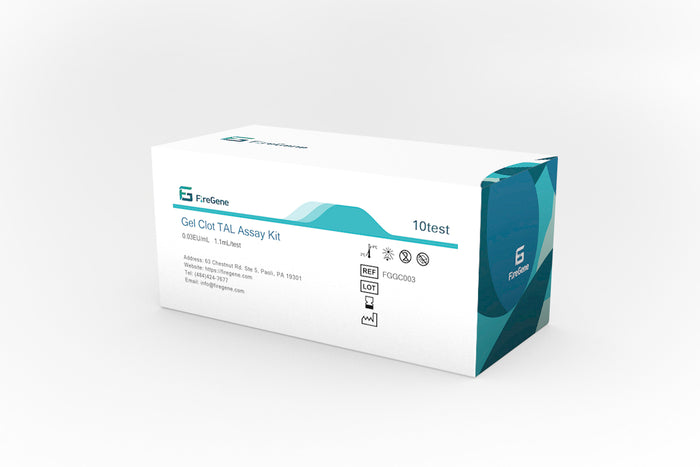
# Gel-Clot Endotoxin Reagents: Principles and Applications in Pharmaceutical Testing
## Introduction to Gel-Clot Endotoxin Reagents
Endotoxins, also known as lipopolysaccharides (LPS), are toxic components of the outer membrane of Gram-negative bacteria. Their presence in pharmaceutical products can cause severe pyrogenic reactions in patients. Gel-clot endotoxin reagents play a critical role in detecting these harmful substances, ensuring the safety of injectable drugs and medical devices.
## The Principle Behind Gel-Clot Testing
The gel-clot method is based on the reaction between endotoxins and a clotting enzyme from the horseshoe crab (Limulus polyphemus or Tachypleus tridentatus). This reaction forms the basis of the Limulus Amebocyte Lysate (LAL) test, which includes three main types: gel-clot, turbidimetric, and chromogenic methods.
The gel-clot technique specifically relies on the formation of a visible gel when endotoxins activate the clotting cascade in the LAL reagent. The test involves:
1. Mixing the sample with LAL reagent
2. Incubating at 37°C for a specified time
3. Observing for clot formation when the tube is inverted
## Components of Gel-Clot Endotoxin Reagents
Modern gel-clot endotoxin reagents typically contain:
– Limulus amebocyte lysate (the primary reactive component)
– Buffer solutions to maintain optimal pH
– Preservatives to maintain stability
– Sometimes, specific cations to enhance sensitivity
## Applications in Pharmaceutical Testing
### 1. Quality Control of Parenteral Products
Gel-clot endotoxin testing is mandatory for all injectable pharmaceuticals, including:
– Intravenous solutions
– Vaccines
– Biologics
– Small molecule injectables
### 2. Medical Device Testing
Medical devices that contact blood or cerebrospinal fluid must undergo endotoxin testing:
– Implants
– Dialysis equipment
– Surgical instruments
– Catheters
Keyword: Gel-Clot Endotoxin Reagents
### 3. Raw Material Screening
Pharmaceutical manufacturers use gel-clot methods to test:
– Water for injection (WFI)
– Active pharmaceutical ingredients (APIs)
– Excipients
– Packaging materials
## Advantages of Gel-Clot Method
Compared to other endotoxin detection methods, the gel-clot technique offers several benefits:
– Simple visual endpoint determination
– No requirement for expensive instrumentation
– High specificity for endotoxins
– Well-established regulatory acceptance
– Cost-effectiveness for routine testing
## Regulatory Considerations
The gel-clot method is recognized by all major pharmacopeias:
– United States Pharmacopeia (USP )
– European Pharmacopoeia (EP 2.6.14)
– Japanese Pharmacopoeia (JP 4.01)
– International harmonized standards
## Future Perspectives
While gel-clot reagents remain fundamental in endotoxin testing, the field is evolving with:
– Recombinant alternatives to natural LAL
– Increased automation while maintaining gel-clot principles
– Improved sensitivity for novel therapeutics
– Sustainable sourcing of raw materials
The continued refinement of gel-clot endotoxin reagents ensures they will remain a cornerstone of pharmaceutical safety testing for years to come.