# Police Body Worn Cameras: Enhancing Transparency and Accountability
## The Rise of Police Body Worn Cameras
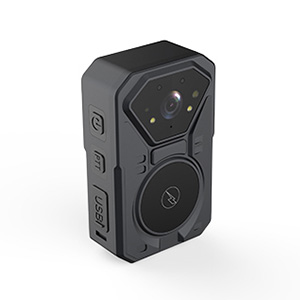
In recent years, police body worn cameras (BWCs) have become an increasingly common tool in law enforcement agencies worldwide. These small, wearable devices record interactions between officers and the public, providing an objective account of events as they unfold.
The adoption of BWCs has grown significantly since their introduction, with many departments citing improved transparency and accountability as primary reasons for implementation. As technology advances, these devices have become more sophisticated, offering features like automatic activation, night vision, and cloud storage.
## Benefits of Body Worn Cameras
### Increased Transparency
One of the most significant advantages of BWCs is their ability to provide an unbiased record of police-public interactions. This transparency helps build trust between law enforcement and the communities they serve by:
– Documenting events exactly as they occur
– Reducing disputes about what transpired during encounters
– Providing evidence for both prosecution and defense
### Improved Officer Accountability
BWCs serve as a powerful tool for holding officers accountable for their actions. The knowledge that their behavior is being recorded often leads to:
– More professional conduct from officers
– Reduced use of excessive force
– Fewer complaints against police officers
### Enhanced Evidence Collection
The footage from BWCs provides valuable evidence for criminal investigations and court proceedings. This visual documentation can:
– Corroborate or challenge witness statements
– Provide crucial details that might otherwise be missed
– Help reconstruct crime scenes more accurately
## Challenges and Considerations
While BWCs offer numerous benefits, their implementation isn’t without challenges:
### Privacy Concerns
Recording interactions raises important privacy questions, particularly regarding:
– When cameras should be activated
– How long footage should be retained
– Who should have access to the recordings
### Policy Development
Effective BWC programs require comprehensive policies addressing:
– Officer discretion in camera use
– Data storage and management
– Public access to footage
– Consequences for policy violations
### Cost Implications
Implementing a BWC program involves significant expenses, including:
– Equipment purchase and maintenance
– Data storage solutions
– Personnel training
– Ongoing program management
## The Future of Police Body Worn Cameras
As technology continues to evolve, we can expect to see advancements in BWC capabilities, such as:
– Integration with other law enforcement technologies
– Improved facial recognition features
Keyword: police body worn camera
– Enhanced audio capabilities
– More sophisticated data analytics
The ongoing debate about BWCs will likely focus on finding the right balance between police transparency and public privacy, while ensuring these tools are used effectively to serve justice and protect civil rights.
Ultimately, when implemented properly with clear policies and adequate training, police body worn cameras have the potential to significantly improve law enforcement practices and strengthen community relationships.