
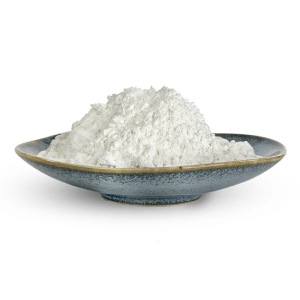
# Starch Sugar: Production and Applications in Food Industry
## Introduction to Starch Sugar
Starch sugar, also known as glucose syrup or corn syrup, is a sweetener derived from starch. It is widely used in the food industry due to its functional properties and cost-effectiveness. The production of starch sugar involves the hydrolysis of starch, typically from corn, wheat, or potatoes, into simpler carbohydrates.
## Production Process of Starch Sugar
The production of starch sugar involves several key steps:
Keyword: Starch Sugar
### 1. Starch Extraction
The process begins with the extraction of starch from raw materials such as corn kernels or wheat grains. The starch is separated from other components like protein and fiber.
### 2. Liquefaction
The extracted starch is mixed with water and treated with enzymes (typically alpha-amylase) at high temperatures to break down the long starch molecules into shorter dextrin chains.
### 3. Saccharification
In this step, another enzyme (usually glucoamylase) further breaks down the dextrins into simple sugars, primarily glucose. The degree of hydrolysis determines the final product’s sweetness and properties.
### 4. Purification
The resulting syrup undergoes filtration and purification processes to remove impurities and by-products.
### 5. Concentration
The purified syrup is concentrated through evaporation to achieve the desired solids content.
## Types of Starch Sugar
There are several types of starch sugars produced, depending on the degree of hydrolysis:
– Glucose syrup (DE 20-50)
– High maltose syrup
– High fructose corn syrup (HFCS)
– Maltodextrins (DE <20)
## Applications in Food Industry
Starch sugar finds numerous applications in the food industry due to its functional properties:
### Sweetening Agent
Starch sugar serves as a cost-effective sweetener in various food products, including:
– Soft drinks
– Baked goods
– Confectionery
– Dairy products
### Functional Properties
Beyond sweetness, starch sugar provides:
– Moisture retention in baked goods
– Prevention of sugar crystallization in candies
– Enhanced texture in frozen desserts
– Improved browning in baked products
### Fermentation Substrate
Glucose syrup serves as an excellent fermentation substrate for:
– Alcoholic beverages
– Vinegar production
– Bioethanol
## Advantages of Starch Sugar
Starch sugar offers several advantages over sucrose:
– Consistent quality and performance
– Cost-effectiveness
– Customizable sweetness profile
– Improved product stability
– Enhanced functional properties in food systems
## Future Trends
The starch sugar industry continues to evolve with:
– Development of specialized syrups for specific applications
– Increased focus on non-GMO and organic starch sources
– Advancements in enzymatic technologies for more efficient production
– Growing demand for clean-label alternatives
As consumer preferences and food technology advance, starch sugar remains a versatile and important ingredient in the global food industry.