
# Rain Gauge: A Comprehensive Overview of Its Design and Functionality
## Introduction to Rain Gauges
A rain gauge is a meteorological instrument used to measure the amount of liquid precipitation over a set period of time. These devices play a crucial role in weather monitoring, agriculture, hydrology, and climate research. By providing accurate rainfall measurements, rain gauges help scientists, farmers, and water resource managers make informed decisions.
## Basic Components of a Rain Gauge
The standard rain gauge consists of several key components:
- Collection funnel: Captures rainfall and directs it into the measuring tube
- Measuring tube: A narrow cylinder that provides precise measurement of collected precipitation
- Overflow reservoir: Catches excess water when the measuring tube fills
- Mounting bracket: Secures the gauge in an optimal position for accurate measurements
## Types of Rain Gauges
Standard Rain Gauge
The most common type features a funnel that collects rain into a narrow tube, allowing for precise measurement of small amounts of precipitation.
Tipping Bucket Rain Gauge
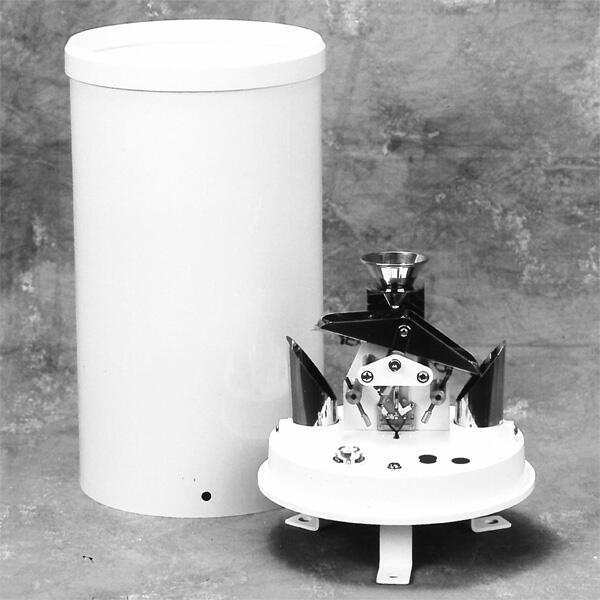
This electronic version uses a small seesaw-like container that tips when filled with a specific amount of water, sending an electrical signal with each tip.
Weighing Rain Gauge
These sophisticated instruments measure precipitation by weight, allowing them to record both liquid and frozen precipitation.
Optical Rain Gauge
Using light beams, these gauges detect and measure rainfall by analyzing the disturbances caused by falling raindrops.
## How Rain Gauges Work
The fundamental principle behind rain gauges is simple: they collect precipitation in a standardized container and measure the depth of accumulated water. Most gauges measure rainfall in millimeters or inches, with 1 millimeter of rain equaling 1 liter of water per square meter.
For manual gauges, measurements are typically taken at regular intervals (often daily) by reading the water level in the measuring tube. Automatic gauges record and transmit data electronically, providing real-time precipitation information.
## Proper Installation and Maintenance
Installation Guidelines
- Place the gauge in an open area, at least twice as far from obstructions as their height
- Mount the gauge 30-45 cm above ground level to prevent splash contamination
- Ensure the gauge is level for accurate measurements
Maintenance Requirements
- Regularly clean the funnel and measuring tube to prevent debris buildup
- Check for and repair any leaks in the collection system
- In freezing temperatures, use antifreeze or heating elements to prevent ice damage
## Applications of Rain Gauge Data
Rainfall measurements serve numerous important purposes:
- Weather forecasting: Helps meteorologists predict storms and weather patterns
- Agriculture: Assists farmers in irrigation planning and crop management
- Flood warning systems: Provides critical data for flood prediction and prevention
- Climate research: Contributes to long-term climate pattern analysis
- Water resource management: Helps municipalities plan water usage and conservation
## Advancements in Rain Gauge Technology
Modern rain gauges incorporate various technological improvements:
- Wireless data transmission for remote monitoring
- Integration with weather stations and IoT networks
- Improved
Keyword: rain gauge description