
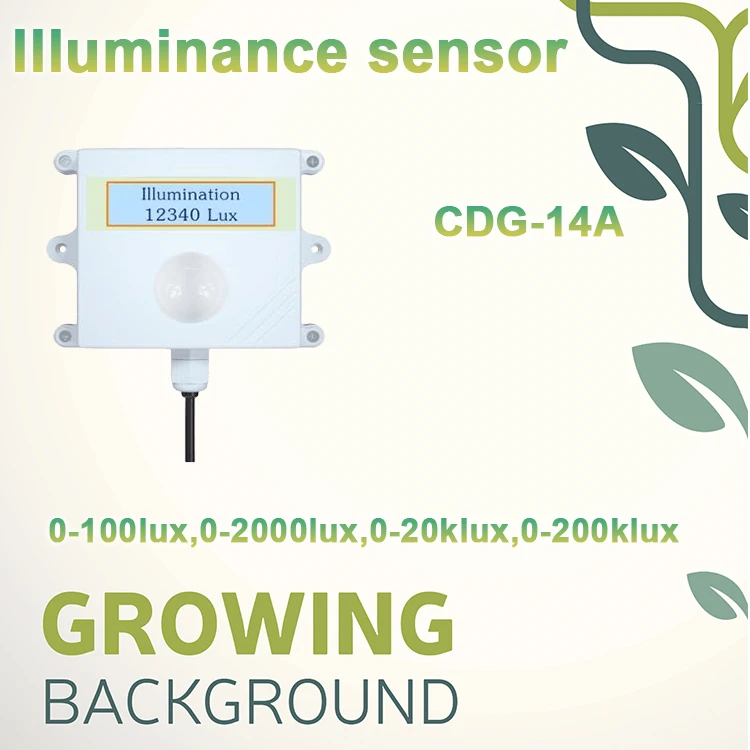
# Light Sensor: Definition, Types, and Applications
## What is a Light Sensor?
A light sensor is an electronic device that detects and measures the intensity of light in its environment. It converts light energy into an electrical signal, which can then be processed by other electronic components or systems. Light sensors are widely used in various applications, from simple automatic lighting systems to complex scientific instruments.
## How Does a Light Sensor Work?
Light sensors work based on the principle of photoelectric effect. When light photons strike the sensor’s surface, they generate electrical charges that can be measured. The amount of current or voltage produced is proportional to the intensity of the light detected. This signal is then processed to determine the light level or trigger specific actions in a system.
## Main Types of Light Sensors
### 1. Photoresistors (LDR – Light Dependent Resistor)
Photoresistors are the simplest and most common type of light sensor. Their resistance decreases with increasing light intensity. They are inexpensive and widely used in basic light-sensing applications like street lights and camera exposure controls.
### 2. Photodiodes
Photodiodes are semiconductor devices that convert light into current. They offer faster response times than photoresistors and are used in applications requiring precise light measurement, such as optical communication systems and medical equipment.
### 3. Phototransistors
Similar to photodiodes but with built-in amplification, phototransistors provide higher sensitivity. They are commonly found in object detection systems, encoders, and light barriers.
### 4. Photovoltaic Cells (Solar Cells)
These sensors convert light energy directly into electrical energy. While primarily used for power generation, they can also function as light sensors in certain applications.
### 5. Ambient Light Sensors
These specialized sensors are designed to mimic the human eye’s response to light. They’re commonly used in smartphones, tablets, and laptops to automatically adjust screen brightness.
## Applications of Light Sensors
Light sensors have numerous applications across various industries:
### Consumer Electronics
– Automatic brightness adjustment in smartphones and tablets
– Camera exposure control
– Proximity sensors in devices
### Automotive Industry
– Automatic headlight control
– Rain-light sensors for wiper activation
– Dashboard illumination adjustment
### Industrial Applications
– Quality control in manufacturing
– Object detection in automation
– Light monitoring in greenhouses
### Security Systems
– Motion-activated lighting
– Intrusion detection
– Light-based alarm systems
### Energy Efficiency
– Smart lighting systems
– Daylight harvesting in buildings
– Solar tracking systems
## Choosing the Right Light Sensor
When selecting a light sensor for a specific application, consider these factors:
– Sensitivity requirements
– Response time
– Spectral response (which light wavelengths to detect)
– Operating environment
– Power consumption
– Cost constraints
Each type of light sensor has its advantages and limitations, making some more suitable for certain applications than others. Understanding these differences is crucial for optimal system performance.
Keyword: what is light sensor